
U.S. Push for DRC’s Strategic Minerals Faces Security and Investment Hurdles
US Push for Congo’s Critical Minerals Faces Delays as Conflict and China’s Dominance Complicate Investment
The United States has made gradual progress in its effort to reduce China’s dominance over the Democratic Republic of Congo’s strategic mineral sector.
However, ongoing conflict, contested mining licenses, and strict compliance requirements continue to slow Washington’s advance into a region where Chinese companies remain deeply entrenched.
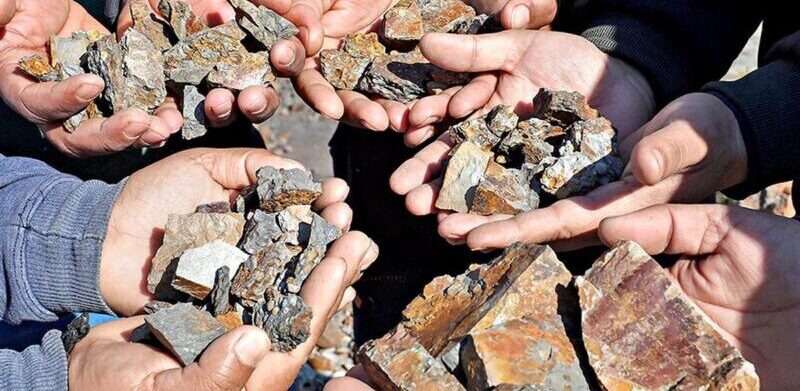
The Democratic Republic of Congo holds some of the world’s most valuable mineral resources, including the largest global supply of cobalt as well as significant deposits of copper and lithium.
These materials are essential for batteries, electric vehicles, and modern electronics, making the country central to U.S. efforts to diversify supply chains and reduce Western reliance on Chinese-controlled minerals.
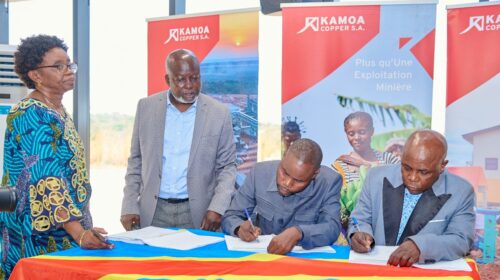
In December, the United States and the Congolese government signed a minerals cooperation agreement intended to encourage investment and strengthen supply chain partnerships.
As part of the initiative, Kinshasa recently provided Washington with a shortlist of 44 potential projects covering copper, cobalt, lithium, tin, gold, and hydrocarbon resources.
The partnership is designed to unlock investment opportunities while also supporting the implementation of a regional peace agreement between Congo and Rwanda.
Congolese authorities have long accused Rwanda of backing the M23 rebel group, which has been fighting government forces in eastern Congo. Rwanda has denied those allegations.
Despite the diplomatic momentum, several of the projects on Congo’s shortlist are located in politically unstable areas or are tied up in licensing disputes, making rapid development unlikely.
According to government and mining industry sources, these complications could delay any major U.S.-backed mining deals.
Security Concerns and Political Pressure
Some diplomats believe the Congolese government may be slowing negotiations deliberately to push Washington to apply greater pressure on the M23 insurgency.
While this claim has not been independently verified, officials acknowledge that security developments in eastern Congo will strongly influence investment decisions.
The United States has expressed ongoing concern about the violence in the region and has called for stronger enforcement of ceasefire commitments.
American officials have also urged Rwanda to halt any alleged support for the M23 movement and withdraw forces linked to the conflict.
Security concerns already affect mining operations. In one case, a major tin mine in North Kivu was able to resume operations only after diplomatic pressure helped ease fighting in nearby areas.
Even so, mining companies warn that renewed clashes could quickly disrupt access and production.
Another example is the Rubaya mining area, which produces roughly 15 percent of the world’s coltan, a mineral used in electronics manufacturing.
The site currently lies within territory controlled by the M23 and its allied forces, making investment highly uncertain.
Licensing Disputes and Regulatory Bottlenecks
Beyond security challenges, bureaucratic and legal obstacles within Congo’s mining sector remain a major barrier to new U.S. investment.
Permitting delays, incomplete ownership records, and disputes over mining rights continue to slow project approvals.
One of the most prominent cases involves the Manono lithium project, widely considered one of the world’s largest undeveloped lithium deposits.
Competing claims over ownership and mining rights have complicated efforts by international investors to move forward with development.
Other high-grade copper and cobalt projects are similarly affected by regulatory uncertainty and political disagreements.
These disputes often discourage Western lenders, who require clear legal structures and transparent governance before financing major mining ventures.
Even relatively straightforward projects such as reprocessing existing mine tailings or building cobalt refining facilities face delays.
Congolese authorities have indicated that progress will depend on improvements in governance standards and stronger security guarantees.
Capital, Risk, and Strategic Competition
The situation highlights a broader gap between U.S. strategic ambitions and the practical challenges of mobilizing investment in high-risk environments.
American companies often prefer projects that are already close to production, while many Congolese resources require years of exploration, infrastructure development, and regulatory approval before they can generate returns.
Analysts note that relatively few U.S. firms are willing to commit long-term capital to projects that carry the political and operational risks associated with Congo’s mining sector.
Western Compliance vs. Chinese Speed
Another factor shaping the competition is the difference in regulatory requirements faced by Western and Chinese companies.
U.S. and European firms must comply with strict anti-corruption rules, transparency standards, and environmental and social impact assessments before committing to investments. These processes can significantly slow project development.
Chinese mining companies, by contrast, often operate with fewer external compliance constraints and are able to move more quickly on infrastructure development, financing, and construction.
This flexibility has allowed Chinese firms to establish a dominant position in Congo’s mineral industry over the past two decades.
In some projects, Chinese companies have already built key infrastructure such as roads, power systems, and transport links, giving them a significant operational advantage.
An Uncertain Strategic Outcome
For now, Congo has succeeded in drawing increased attention and engagement from the United States in its critical minerals sector.
The government appears to be leveraging this interest in hopes of gaining not only investment but also greater security and political support.
Yet Chinese companies still control a substantial share of Congo’s copper, cobalt, and other critical mineral assets. Despite Washington’s growing involvement, there is little indication so far that the United States will quickly loosen Beijing’s hold on the country’s mining industry.
The outcome of this strategic competition will likely depend on whether Western investors are willing to take on the long-term risks required to develop Congo’s vast but complex mineral resources.